Latest News


Jamaicans remember Hurricane Gilbert 35 years later
September 12, 2023

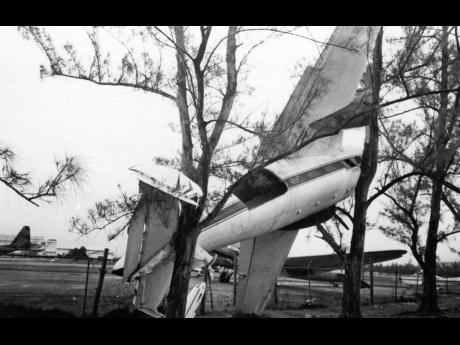
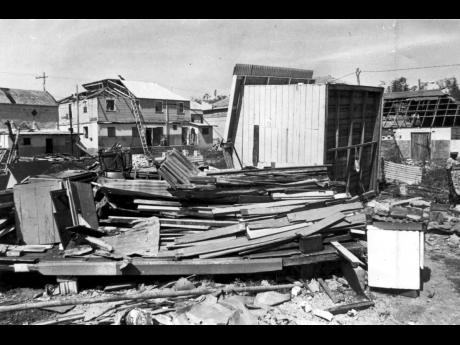
Lloyd Lovindeer's iconic song, Wild Gilbert, gives a masterclass in storytelling, as it comically chronicles the passage and aftermath of Hurricane Gilbert over Jamaica on September 12, 1988.
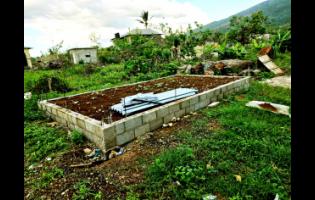
However, there was nothing comical about the damage and devastation that the Category Three hurricane left in its wake 35 years ago. As citizens who experienced the natural disaster recounted, it was a scary time as a thick pall of gloom enveloped the country. Some 45 lives were lost and 800,000 persons sought shelter as more than 100,000 homes were destroyed and damaged islandwide. Up to January 1989, 600 persons were still in hurricane shelters.
The island suffered billions of dollars' worth of damage, with the agricultural sector the worst affected. The banana and poultry industries, in particular, were obliterated. Gilbert, which peaked at Category Five strength before leaving the island, was the first hurricane to make landfall in Jamaica in 37 years; the previous disaster was Hurricane Charlie in the 1950s. Gilbert still holds the distinction of being one of the most devastating Atlantic hurricanes in history, second only to Hurricane Wilma in 2005.
Many persons remember where they were when Gilbert ravaged the island from 10 a.m. to 6 p.m. on that fateful day. They believed that the natural disaster would not directly affect the island, and went about their business as usual, instead of preparing, a move they would regret. Winsome Brown, a St James resident, was ill-prepared. She had given birth to a baby girl hours before Gilbert made landfall.
"The hospital staff told us we had to leave because they did not know what devastation would happen there. We ended up leaving the hospital without the child doing what she was supposed to do before she left there [pass stool and urine]," she told JIS News. Ninety per cent of the island's health facilities were severely impacted by Gilbert's passing.
Brown remembered how treacherous the journey to her home in Over River was with her newborn.
"The [taxi] driver had to be dodging rocks and sticks that were falling on the road, but I reached [the area] safely. However, the devastation in the community was already so bad that I couldn't go to my house, I had to stay at a neighbour's house for the night," she said. Brown added that the aftermath of Gilbert was unforgettable, as many of the roofs in her community were blown off. Brown said Over River's electricity was out for three months.
Adelphi resident, Pastor Ann-Marie Bulgin Graham, recalled that she left work early that day; however, she had no interest in watching the action indoors.
"I got home safely amid the heavy breeze. During the hurricane I didn't stay in, I was outside on the street, up and down in the rain and enjoying the breeze, but I was still carefully looking out for the pieces of zinc and branches that were flying past," she said.
"I saw zinc flying off people's roofs, I saw branches flying all over, but I just went through and enjoyed it. I remember the breeze was so terrible that it almost knocked me off my feet and I stood in one place for some time before I could move again," she added
After the hurricane passed, she made a beeline to her church and was brought to tears when she saw the building's entire roof was gone. Graham was also concerned about her sister, who had just given birth and was sent home with her newborn just before the hurricane. Thankfully, all were safe.
Gilbert took 400 lives in the region, including the US and caused US$10 billion in damage. Due to the devastation, the World Meteorological Organization retired its name in 1989. After Gilbert, several measures were put in place to improve the island's preparedness. This included rebranding the Office of Disaster Preparedness and Emergency Relief Coordination in 1993 to the Office of Disaster Preparedness and Emergency Management. The revamped organisation instituted the National Zonal Programme, so that communities could manage internally for at least 72 hours until outside assistance could reach them following a disaster.
The agency also established a National Disaster Committee and revamped the island's National Disaster Plan.