Latest News


Advocate wants legal reform to battle gender-based violence
May 26, 2025


With the recent killing of nine-year-old Kelsey Ferrigon, the disappearance and suspected death of University of Technology student Anisa Dilworth, and a physical attack on a nurse, calls to end violence against women and children have been reignited once again.
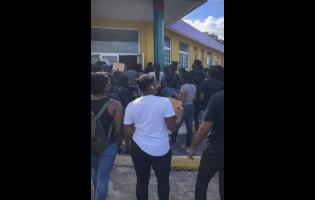
In response to the tragedies, protests have erupted across the island, demanding urgent action. However, human rights advocate Carla Gullotta told THE STAR that although public outrage is important, real change requires legislative reform, a more efficient justice system, and early education or the cycle of violence will continue.
"The momentum is always nice because it makes more visible a problem. But this problem is something that everybody knows since ages. So I know -- nothing new," Gullotta said. "There are several things which need to be done," she added.
Among the most urgent changes needed, Gullotta stressed, is improving the country's justice system, particularly how it responds to women in danger. As an example, she noted the issues in obtaining a restraining order.
"If a woman needs a restraining order, it might take days, and that is very dangerous," she explained. "If you report an abusive partner to the police, and the restraining order arrives days later, the partner may find out and become even more aggressive."
Gullotta, who works directly with abuse survivors, also told THE STAR that many women also face months-long delays in court hearings, especially when seeking financial support from abusive partners. She said this gap in enforcement leaves mothers and children without basic resources to survive.
"Most of the women also have children, and they should be entitled to support. But if there's no court order, the partner doesn't pay anything," she said. "And even when they go to court, the hearings get postponed over and over again."
Through her organisation, Stand Up for Jamaica, Gullotta and her team have assisted more than 600 women over the last five years. A recurring issue, she said, is that many victims remain in abusive relationships because they are not financially independent.
"They cannot go anywhere because how do they manage to support themselves?" she questioned.
Beyond immediate legal and economic interventions, Gullotta opined that long-term change may also lie in education but it must begin at an early age. She also called for a national campaign in schools to teach students about healthy relationships, gender equality, and respect.
"We've been very conservative. I remember when they tried to introduce sex and relationship classes, the churches and everybody jumped up," she said. "But education is key."
In sessions recently held with schoolboys, Gullotta explained that many were shocked to learn what constitutes abuse and they left vowing to support their mothers and treat women differently.
"One boy said, 'I didn't know. I'm going home to try to help my mother because the same thing happened to her,'" she recalled. "People need to know."
Gullotta emphasised that efforts to end gender-based violence must include not only support for survivors but also outreach to potential perpetrators.
"If you work with abused women, you also have to work with possible perpetrators. Otherwise, it won't work," she said.
"You have to talk to both men and women. Encourage men to approach their partners, their mothers, their lovers, their sisters, and their daughters in a different way," she added.