Latest News


Japan starts COVID-19 vaccinations with eye on Olympics
February 17, 2021
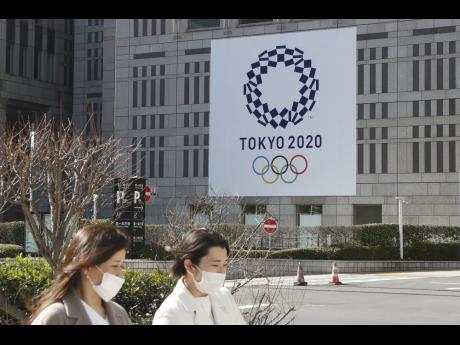
TOKYO (AP) — Japan launched its coronavirus vaccination campaign Wednesday, months after other major economies started giving shots and amid questions about whether the drive would would reach enough people quickly enough to save a Summer Olympics already delayed by the pandemic.
Despite a recent rise in infections, Japan has largely dodged the kind of cataclysm that has battered other wealthy countries’ economies, social networks and health care systems.
But the fate of the Olympics, and the billions of dollars at stake, makes Japan’s vaccine campaign crucial.
Japanese officials are also well aware that rival China, which has had success beating back the virus, will host the Winter Olympics next year, heightening the desire to make the Tokyo Games happen.
Japan’s rollout lagged behind other places because it asked vaccine maker Pfizer to conduct clinical trials with Japanese people, in addition to tests already conducted in six other nations — part of an effort to address worries in a country with low vaccine confidence.
Medical workers say vaccinations will help protect them and their families, and business leaders hope the drive will allow economic activity to return to normal.
But the late rollout will make it impossible to reach so-called herd immunity in the country of 127 million people before the Olympics begin in July, experts say.
That will leave officials struggling to quell widespread wariness — and even outright opposition — among citizens to hosting the Games. About 80% of those polled in recent media surveys support cancellation or further postponement of the Olympics.
Despite that, Japanese Prime Minister Yoshihide Suga and others in his government are forging ahead with Olympic plans, billing the Games as “proof of human victory against the pandemic.”
Japan has not seen the massive outbreaks that have buffeted the United States and many European countries, but a spike in cases in December and January raised concerns and led to a partial state of emergency that includes requests for restaurants and bars to close early.
The country is now seeing an average of about 1 infection per 100,000 people — compared with 24.5 in the United States or 18 in the United Kingdom.
Overall, Japan has recorded about 420,000 cases and 7,000 deaths, according to data compiled by Johns Hopkins University.
The development of a Japanese COVID-19 vaccine is still in the early stages, so the country, like many others, must rely on imported shots — raising concerns about supply issues seen in other places as producers struggle to keep up with demand.
The first batch of Pfizer vaccines that arrived Friday is enough to cover the first group of medical workers. A second batch is set for delivery next week.
After the front-line medical workers will come inoculations of 3.7 million more health workers starting in March, followed by about 36 million people aged 65 and older beginning in April.
People with underlying health issues, as well as caregivers at nursing homes and other facilities, will be next, before the general population receives its turn.
We want to hear from you! Email us at star@gleanerjm.com and follow @thejamaicastar on Instagram and on twitter @JamaicaStar, and on Facebook: @TheJamaicaStar.