Latest News


Weird News
June 23, 2023
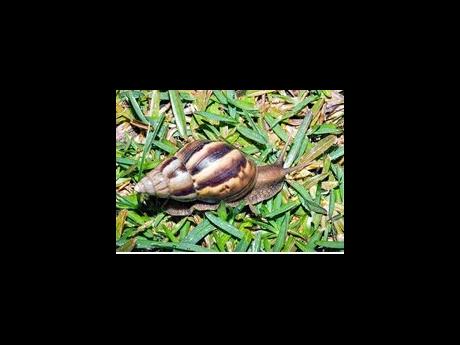

Snails force city lockdown
Killer snails have plunged a city in Florida into lockdown.
A giant African land snail has been found in Miramar, 20 miles north of Miami, and the authorities have set up a quarantine area to tackle the invasive species.
The snails can grow up to eight inches long and are capable of consuming at least 500 plant types with their voracious appetites.
Officials plan to spray the affected area with the chemical snail bait metaldehyde in order to kill off any more of the pests.
Miramar residents will be allowed to leave the area, but will not be able to carry any plant-based supplies that could be carrying tiny eggs.
William Kern, an entomologist at the University of Florida, told Miami's Local 10 news station: "The primary danger is that they're voracious plant eaters, so they can do an awful lot of damage to both landscapes and to agriculture.
"If the snails crawl on uncooked vegetables, you can have a problem with it getting a human infection. With any invasive species, if you find it early, you may be able to control or eliminate it."
People who live near airports are more likely to have heart attacks
A study led by Imperial College London found that residents living under Heathrow Airport's flight paths have an increased chance of being admitted to hospital with a variety of heart issues.
The researchers theorised that noisy aircraft disrupt sleep and raise blood pressure, factors that are linked to heart problems. Men age older than 65 appeared to be particularly susceptible to the issues.
Writing in a paper published in the online journal Environment International, the experts concluded: "These findings provide potential evidence that aircraft noise in the late evening and night time may be associated with increased risk of cardiovascular hospitalisations and deaths in the population living within the Heathrow Airport noise contour.
"This is consistent with a mechanism of action via disturbed sleep, and has implications for developing respite measures for the communities situated near busy airports."