Latest News


Who should pay for rescuing wealthy adventure seekers?
June 26, 2023
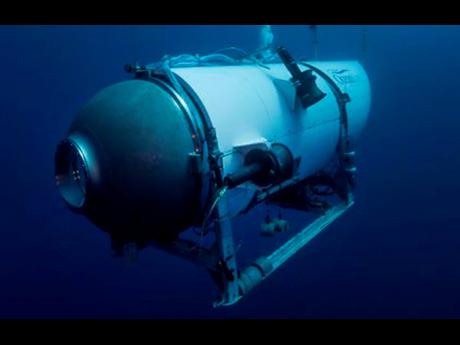
(AP):
When millionaire Steve Fossett's plane went missing over the Nevada range in 2007, the swashbuckling adventurer had already been the subject of two prior emergency rescue operations thousands of miles apart.
And that prompted a prickly question: After a sweeping search for the wealthy risk taker ended, who should foot the bill?
In recent days, the massive hunt for a submersible vehicle lost during a north Atlantic descent to explore the wreckage of the Titanic has refocused attention on that conundrum. And with rescuers and the public fixated first on saving and then on mourning those aboard, it has again made for uneasy conversation.
"Five people have just lost their lives and to start talking about insurance, all the rescue efforts and the cost can seem pretty heartless - but the thing is, at the end of the day, there are costs," said Arun Upneja, dean of Boston University's School of Hospitality Administration and a researcher on tourism.
"There are many people who are going to say, 'Why should the society spend money on the rescue effort if (these people) are wealthy enough to be able to ... engage in these risky activities?'"
The US Coast Guard declined last Friday to provide a cost estimate for its efforts to locate the Titan, the submersible investigators say imploded not far from the world's most famous shipwreck. The five people lost included a billionaire British businessman and a father and son from one of Pakistan's most prominent families. The operator charged passengers US$250,000 each.
While the Coast Guard's cost for the mission is likely to run into millions, it is generally prohibited by federal law from collecting reimbursement related to any search or rescue service, said Stephen Koerting, a US attorney in Maine who specialises in maritime law.
But that does not resolve the larger issue of whether wealthy travellers or companies should bear responsibility to the public and governments for exposing themselves to such risk.
"This is one of the most difficult questions to attempt to find an answer for," said Pete Sepp, president of the National Taxpayers Union.
"This should never be solely about government spending, or perhaps not even primarily about government spending, but you can't help thinking about how the limited resources of rescuers can be utilised," Sepp said.
Risky adventurism is hardly unique to wealthy people. The pandemic drove a surge in visits to places like national parks, adding to the popularity of climbing, hiking and other outdoor activities. Some places have laws commonly referred to as "stupid motorist laws", in which drivers are forced to foot the emergency response bill when they ignore barricades on submerged roads.