Latest News


Bike crashes taking toll on hospitals
June 05, 2025
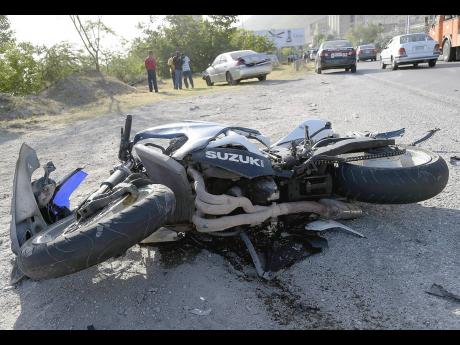
Hospital resources are being stretched treating motorcyclists who ignore the road code.
A detailed study at St Ann's Bay Regional Hospital shows that unlicensed, uninsured, and often intoxicated riders are flooding the emergency room with preventable injuries costing lives and millions in care. Consultant orthopaedic surgeon Dr Cary Fletcher, who led the study, said the numbers paint a troubling picture.
"We reviewed 155 motorcyclists admitted over two years, and 75 per cent required hospitalisation, with more than half needing surgery," he revealed. "The majority were men in their 20s, riding without licences or insurance."
The study found that crashes were four times more likely to happen on public holidays, with 37 per cent of riders having consumed alcohol within three hours before the accident, a significant predictor of hospital admission.
"Alcohol use and multiple injuries greatly increased the chances of needing hospital care," Fletcher explained.
Despite the high incidence of injuries, only a quarter of the riders held valid licences and insurance, a factor strongly linked to risky behaviour.
Fletcher noted, "Those with proper licences and insurance were far more likely to wear helmets, highlighting the importance of formal regulation and accountability." The study also highlighted the enormous cost burden on the healthcare system. While previous estimates placed the cost of care for motorcyclists at around $263,000 per patient, Fletcher warned this figure is likely much higher.
"Those estimates only covered initial tests and procedures. They don't account for surgeries, ward stays, rehabilitation, or the loss of income during recovery," he explained. "The real cost to hospitals and society is far greater."
Most riders involved in crashes are not recreational users but rely on motorcycles as an affordable means of transportation, with average monthly incomes of just $30,000, with bikes costing around $120,000.
"These are not hobbyists; these are everyday Jamaicans trying to get by," Fletcher noted.
In terms of enforcement, Fletcher advocated for increased use of electronic monitoring systems, such as traffic cameras, to improve compliance with road safety laws. He argued that traditional policing methods are insufficient because riders can easily evade stationary officers.
"To reduce crashes and injuries, we need comprehensive enforcement that cannot be easily circumvented," he said. Alcohol remains a major concern, and Fletcher called for wider availability and use of breathalysers islandwide. He also recommended testing for other illicit substances, especially among fatalities, to better understand the causes behind deadly crashes.
"Most fatalities happen on the scene, not in hospital, so investigating substance use in these cases is critical," he noted. With 80 per cent of crashes deemed unquestionably preventable, Fletcher stressed the urgent need for coordinated action from policymakers, healthcare providers, and law enforcement.
"We have a clear opportunity to save lives and reduce the strain on our hospitals, but it will require investment, education, and enforcement," he said.