Latest News


Farmers bouncing back after Melissa
January 14, 2026
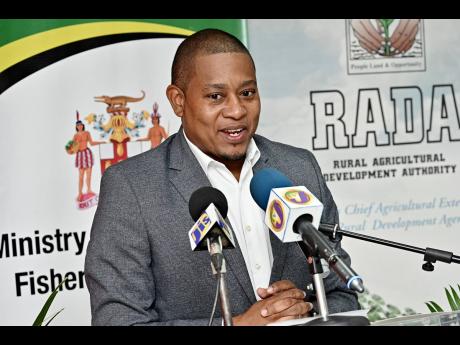
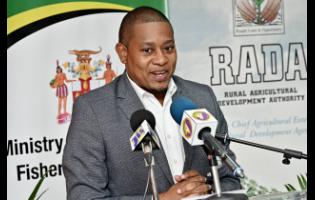
Agriculture Minister Floyd Green says Jamaica was on the brink of a historic breakthrough in food production before Hurricane Melissa slammed into the island last October, derailing what was shaping up to be the country's strongest agricultural performance on record.
According to the minister, domestic production was projected to reach 900,000 tonnes, comfortably surpassing the more than 800,000 tonnes produced in 2022, which remains Jamaica's best year to date.
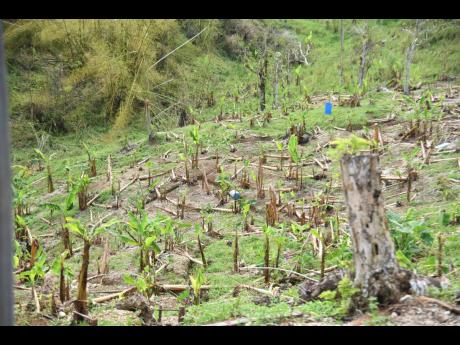
Hurricane Melissa made landfall on October 28 as a catastrophic Category 5 storm, inflicting an estimated $30 billion in damage on the agricultural sector and affecting more than 70,000 farmers across the island.
Despite the scale of destruction, Green says the sector is rebounding faster than expected, with short-cycle crops already reappearing in markets just weeks after the disaster.
Speaking at the launch of a $17-million potato seed distribution project in Lorrimers, Trelawny, on January 7, the minister credited the rapid turnaround to decisive government intervention and the determination of local farmers to get back into the fields.
The Government, he said, has so far provided over $50 million in seeds, along with significant fertiliser support, including the distribution of 7,000 bags islandwide, allowing farmers to restart planting almost immediately.
"The rapid re-engagement with planting enabled short-cycle crops such as cucumber, lettuce and beetroot to return to markets, helping to stabilise prices for consumers and preserve livelihoods for farm families," the minister said.
Less than three months after the hurricane, Green described the pace of recovery as "remarkable", adding that the early gains signal even stronger growth ahead.
However, he cautioned that recovery in the livestock sector will take longer, particularly in poultry, where 1.1 million birds -- 700,000 broilers and 400,000 layers -- were lost during the storm.
To accelerate that recovery, the Government has committed $100 million towards replacing birds, repairing damaged facilities, and upgrading infrastructure across the sector.