Latest News


Think before you post - Experts sound alarm about ‘bring down’ culture
January 19, 2026
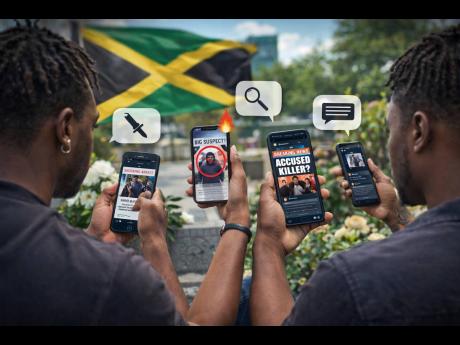

As Jamaica's digital landscape evolves, social media has become a stage for public debate, speculation, and sometimes accusations. The rise of social media has allowed content creators to dissect ongoing criminal investigations, air allegations, and share personal opinions that reach wide audiences.
But what are the real consequences of this online commentary?
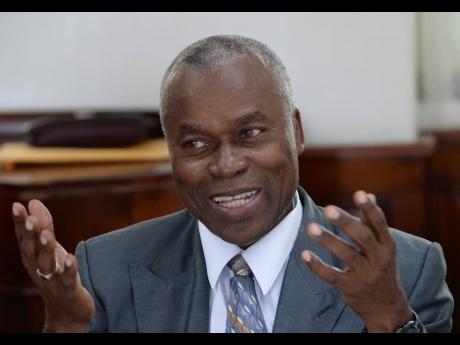
Attorney-at-law Bert Samuels notes that people have always shared opinions, but today the audience is far larger and the platform far more immediate.
"Venting is not new, the media is new," Samuels said. "They now have a tool which is their phone, it is no longer under a bus shed, park or street corner. It has now gone in our homes. via the cellphone."
The rise of social media has given new life to what some describe as the 'bring down' culture, where individuals are quick to call out, accuse, or even pronounce guilt on others--often before facts are verified. But the veteran attorney warned, however, that online statements carry serious legal risks.
"When you say something privately, that's one thing. But when it's published, it becomes very dangerous," Samuels said.
Legal action against online commentators is often complicated by issues of identification and jurisdiction.
"The restriction is you don't know who said it, the address of who said, some of these commentators are abroad and we don't know where they are," he said.
While freedom of expression protects public commentary to an extent, Samuels stressed that there are clear boundaries that must not be crossed.
"People have to balance the freedom of expression when they are hurt, yes, but sometimes they are speculating about the person they believe carried out an act, but we have to be careful," he cautioned.
Additionally, Samuels said that public speculation and venting can complicate matters. He added that pre-trial publicity remains a critical concern within the justice system.
"I think when you go and say who did it, and why you think, the person can go and say they can't get a fair trial because you went ahead and published about the case," he said.
"They can say the potential juror would have seen it and come to a conclusion," he warned.
Meanwhile, Senior Superintendent of Police Dahlia Garrick, who leads the Corporate Communications Unit of the Jamaica Constabulary Force, stressed that investigators consider all available information when probing crimes--including claims circulating on social media--but warned of the potential dangers of public speculation.
"Information from any source is information, so we would treat initially as information, and then intelligence, and it may become part of the investigation," Garrick stated.
"In our investigation, nothing gets discarded all leads are followed," she added
The senior cop, however, urged that people should report information directly to law enforcement rather than sharing it publicly.
"If you are a witness, there is a particular way we treat you to ensure your safety and how the information is documented, and if what you are saying has merit, you become part of a formal investigation," she explained.