Latest News


Health official explains why COVID-19 vaccines were developed so quickly
May 04, 2021
Director of Family Health Services in the Ministry of Health and Wellness, Dr Melody Ennis, says that global collaboration, through funding and exchange of knowledge and technology, were among the major factors that facilitated the speedy development of COVID-19 vaccines.
Ennis pointed out that it generally takes approximately 10 to 12 years for a vaccine to be developed, but because COVID-19 became a pandemic, governments and companies put resources towards prioritising vaccines, which expedited the process.
She also said that vaccine developers did not have to start from scratch, as there was already a lot of research done on similar coronaviruses called Severe Acute Respiratory Syndrome (SARS) and Middle East Respiratory Syndrome (MERS).
"Another important thing that we seem to always forget is the fact that this coronavirus family is not really new. It has been around a long time, over 10 years when we had MERS and SARS, so much of the preclinical trials had already taken place and, therefore, it was easy to develop this vaccine in the short space of time, which was just about a year," Ennis said.
COVID-19 has claimed at least 3.2 million lives since it was discovered in China in December 2019. In Jamaica, 790 persons have been confirmed to have died from the infectious disease, and another 136 deaths are under investigation. The health ministry said that 213 persons were in hospital on Sunday as the country's total confirmed cases climbed to 46,039.
Like other countries around the world, Jamaica is banking on the COVID-19 vaccines to help bring the infection under control.
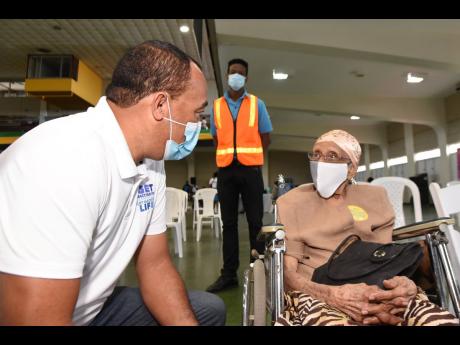
"The vaccines will make a difference over time, but we have got to be patient. We have started to vaccinate the most vulnerable groups and that would be our elderly persons and we know that once they are fully vaccinated we will begin to see a decline in hospitalisations and certainly deaths," she said.
Ennis said that, to date, approximately 50,000 of the 250,000 persons of that group have received the first dose of the vaccine.
"As we continue to vaccinate more of those vulnerable persons, I am sure, over time, that we will see a difference in severe illness, hospitalisations and deaths," she said.
Persons who have already received the first dose of the AstraZeneca vaccine are slated to receive the second dose, based on appointments, starting early this month.