Latest News


WEIRD STUFF: Long COVID linked to lower sex drive
July 27, 2022
Sex study in space gathers steam
Babies will soon be born on the moon following the creation of a lunar city. The 1,300-foot-tall building uses artificial gravity and is designed to complete a full circle every 20 seconds. It is set to be ready for humans to live on by 2050.
Project leader Professor Yosuke Yamashiki, from Kyoto University in Japan, says it is only a matter of time before the human race is able to live in outer space, on the Moon and on Mars.
The gravity will enable babies to be conceived and allow children to develop normally and ties in with NASA's plans to study sex in space.
Yamashiki said: "Research on low gravity has been limited to maintaining adult bodies, and its effects on the birth and growth of children have not yet been studied.
"Without gravity, mammals may not be able to give birth successfully. Even if they were able to give birth, mammals would not be able to develop normally in low gravity.
"By living in the facility, human beings will be able to have children without anxiety and maintain a physical condition that allows them to return to Earth at any time."
-------------------
Long COVID linked to lower sex drive
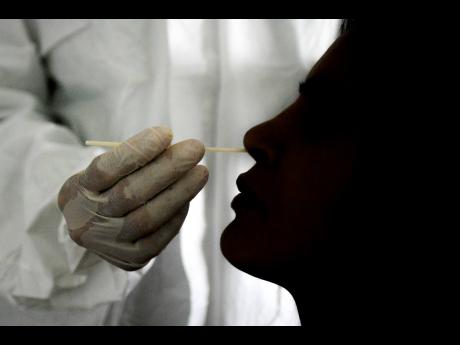
Hair loss and a low sex drive are among the symptoms of long COVID.
New research has discovered that sufferers have experienced over 60 symptoms after contracting coronavirus with distressing effects including alopecia and sexual dysfunction.
The study looked at symptoms reported by more than two million people 12 weeks after they were initially infected with COVID-19.
Dr Shamil Haroon, of the University of Birmingham, said: "This research validates what patients have been telling clinicians and policymakers throughout the pandemic.
"The symptoms of long COVID are extremely broad and cannot be fully accounted for by other factors such as lifestyle or chronic health conditions.
"The symptoms we identified should help clinicians and clinical guideline developers to improve the assessment of patients with long-term effects from COVID-19, and to subsequently consider how this symptom burden can be best managed."
-------------
Daytime nap linked to stroke
Taking a daytime nap increases the risk of suffering a stroke.
Scientists have warned that nodding off during the day has a number of serious health risks as it can also be an early warning sign of high blood pressure.
The findings are based on 360,000 Brits between the ages of 40 and 69 who were tracked over the course of 11 years and provide a grim conclusion for those who sleep during the day.
Professor E Wang, from China's Central South University, said: "These results are especially interesting since millions of people might enjoy a regular or even daily nap."
Dr Michael A. Grandner, a sleep expert at the University of Arizona, says that naps are "not enough" to make up for a lack of rest at night.
He said: "This study echoes other findings that generally show that taking more naps seems to reflect increased risk for problems with heart health and other issues."
------------------