Latest News


Drug traffickers getting brazen - Cop says trade cuts across class, job lines
January 19, 2026
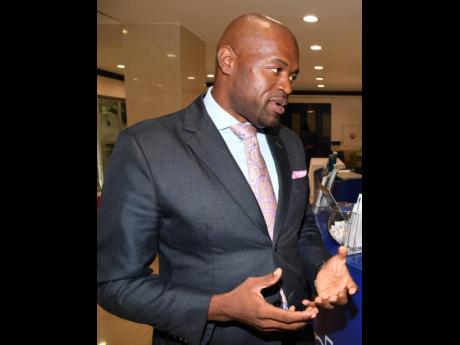
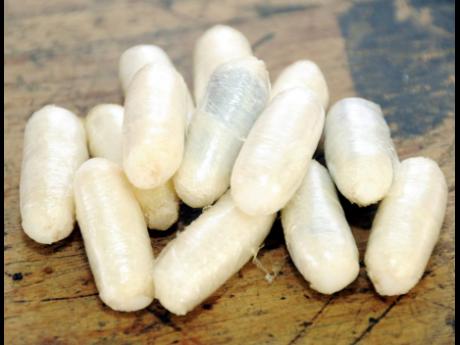
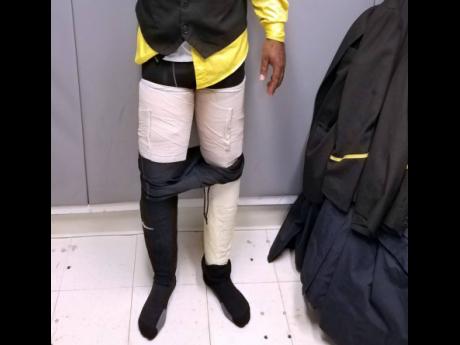
When influential figures are ensnared in drug busts, it is rarely a shock to seasoned investigators.
According to Firearms and Narcotics Investigation Division (FNID) Director, Patrae Rowe, arrests involving senior officials, professionals or persons in positions of authority are almost always preceded by warning signs -- even if the public never sees them.
"Usually, these are people who are living above their means, living a lifestyle that does not accord with their salary or compensation," Rowe told THE STAR.
He explained that once investigators begin probing, carefully constructed images of innocence tend to crumble.
Rowe's comments come amid two major narcotics seizures that have shaken public confidence. On January 8, a police inspector and two soldiers were arrested in St Andrew. More recently, two senior government employees were intercepted at Sangster International Airport while attempting to board a flight to New York with cocaine.
In that incident, investigators reportedly found 9.25 kilogrammes of cocaine hidden in secret compartments in the suspects' luggage, along with US currency inside a handbag.
Following the airport arrests, FNID officers carried out secondary operations at the homes of both suspects, where a Glock 19 pistol, 13 rounds of ammunition and an ounce of cocaine were seized.
One suspect also revealed that he had swallowed more than 70 pellets of cocaine and remains hospitalised under police guard.
Rowe confirmed that the suspect is alive but stated that "his health has been compromised".
"This is a warning to the Jamaican people that once you take the decision to ingest narcotic, or foreign matter into your body for the purpose of participating in the transshipment of drugs, you're putting your health and life at risk," he said.
"We have reason to believe that in this particular incident, the person in question has placed their life at real and present danger. The situation, as it is now, remain highly vulnerable."
Meanwhile, Rowe said the police have intensified operations targeting illegal firearms and narcotics trafficking, stressing that no one is beyond scrutiny.
"Regardless of their professional standing or social status," he said.
While the alleged involvement of seemingly respectable individuals often sparks outrage, Rowe said it is nothing new.
"People from all different social stratification are involved in drug trafficking," he said, noting that drugs remain a high-stakes enterprise.
"Drug trafficking has always been a big man's sport or a big man's trade. It's just that they use people in a lower socioeconomic class to carry out the act and engage in the risk of being caught," Rowe added.
The FNID director said traffickers have grown increasingly bold in how they operate.
"So what we're seeing now, or what I would consider a trend is how emboldened the traffickers have become. Because, you know, they are travelling through airports. They are soloing. It's as if they have reasonable assurances that they will go through," he said.
That confidence, Rowe warned, points to a deeper problem. "That reasonable assurance can always and only be secured from inside. Collusion within our airports and within our ports of entry, and within society at all levels," he reasoned.
Asked whether traffickers are deliberately recruiting people in respected positions to lower suspicion, Rowe was unequivocal.
"Yes," he said.
"I would say traffickers are using various methods. They are using people who are ordinarily believed to be people of good standing, which would minimise the risk of detection."