Latest News


Blood donations only meeting half of demand
December 06, 2023
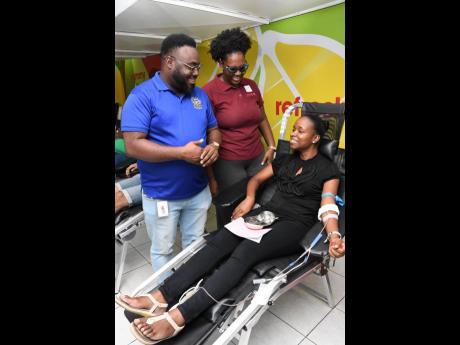
Igol Allen, blood donor organiser at the National Blood Transfusion Service (NBTS), said that although donations have improved when compared with previous years, the country's blood supply is still not where it can be.
"We are currently only meeting about 50 per cent of the demand for blood and its by-products per annum and we need more blood if we are to save more lives," he said while reiterating some of the health benefits for donating blood.
"What blood donation does is help people to continuously screen their health and replenish their own blood supplies. Studies also show that blood donors tend to live healthier and longer lives," he shared.
Allen said that at this time of year, there is normally a greater need for blood, due to an increase in motor vehicle crashes and other incidents. The number of donors also tends to decline as more people prioritise other things, such as travelling for their vacations. Allen said
The NBTS is one of several partners who will be joining the Rotaract Club of Kingston (RCOK) and the JN Sports and Social Club (JNSCC) for a Christmas Blood Drive on December 9, on the grounds of the JN Bank Chief Office, Half-Way Tree, St Andrew, from 9 a.m. to 3 p.m. Allen said persons should make use of the chance to give blood as a gift this season.
Natasha Burnett, president of the RCOK, said that the Christmas blood drive has become a staple project of the organisation. Last year, the club reached its highest figure in terms of donations. "We had 33 units of blood being donated, equivalent to 100 lives being saved, and we realise the impact this can have. These donations take the pressure off the health system and actually benefit many people," she emphasised.
Donated blood and its by-products are used to treat a myriad of medical conditions, including cancer, anaemia and blood disorders. According to the NBTS, anyone from ages 16 to 65 can donate blood, once they are in good health, and just about 450 millilitres of blood is donated. That's less than 10 per cent of the blood in the human body.