Latest News


Should employers shun people with face tattoos? - Senior trade unionist and employers’ representative weigh in
November 15, 2023
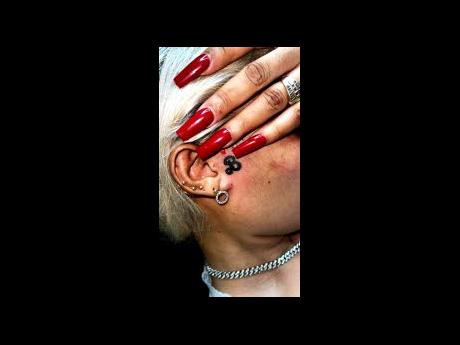
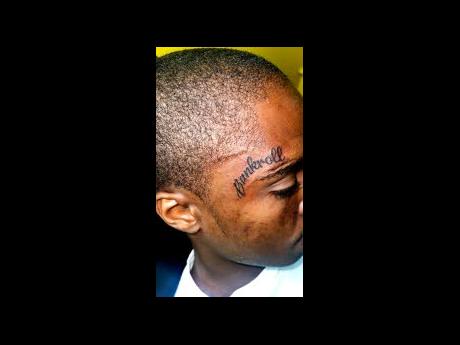


Face tattoos are a daring and growing trend that has gained a great deal of popularity over the past few years. However, some social commentators have warned that the presence of inks on people's skin could limit their ability to land jobs.
One Kingston-based tattoo artist, Princeromie, proprietor of Dream Ink Tattoos, said he has seen an increase in request for face tattoos. He said that while he makes the requested marks, he normally cautions persons about the implication of having them.
"Face tattoos are a preference for some people, but I personally don't recommend it, considering some may have challenges with work, or other reasons," he said.
Contacted for comment on the matter, St Patrice Ennis, president of the Jamaica Confederation of Trade Unions, told THE STAR that he believes no one should be denied employment because they have facial tattoos.
"I do not believe that one's employability should be impaired by the fact that they have a particular marking on their body, once it is not deemed to be offensive," Ennis said.
"It is dangerous to say that because a person has a particular marking and so on, I am going to exclude them from employment," he added.
There have been several reports of persons being denied jobs as a result of their tattoos being deemed visible by a potential employer. Recently, a woman in the United Kingdom, with 800 tattoos, said she has been unable to land a job.
She told The Mirror newspaper that bosses cast judgement on her inked-up appearance. "I applied for a job cleaning toilets where I live, and they won't have me because of my tattoos," she said.
Meanwhile, Ennis reasoned that as long as a tattoo is not offensive, he sees no reason why people should be overlooked for employment. Similarly, President of the Jamaica Employers' Federation Wayne Chen said that persons with offensive tattoos make it difficult for some work environments to function effectively.
"Images are messages," he said. "If I have personal beliefs and I find that somebody has a message or an image that I find offensive, why would I want to work with that person?" Chen questioned.
He said that companies should always be free to hire who they want to, and reject persons who do not fit their brand.
"Nobody has an absolute right to every job; and people are free to hire who they want, and in certain positions," Chen said.
Ennis agrees and said people seeking jobs in more formal sectors should recognise that some employers want to maintain a more professional image.
"It depends on the space in which you are being employed; every company has their own image that they would want to project. If you're in the entertainment industry, of course it would be a little bit different than if you are organising something in the formal sector," Ennis said.
Nonetheless, he told THE STAR that he does not believe employers should impose their might on individuals who have decided to express themselves with tattoos on their bodies.
"Over time what we see as conventional, what we see as acceptable, changes," Ennis said. "When it comes to offensive kind of imagery, then yes, you would expect an employer to protect his brand. But ... I don't believe that is something that needs to be legislated or something that we need to set strict guidelines towards," he added.