Latest News


Don wants cops to wear body cameras - Says public trust will worsen, questions reduced crime stats
April 24, 2026
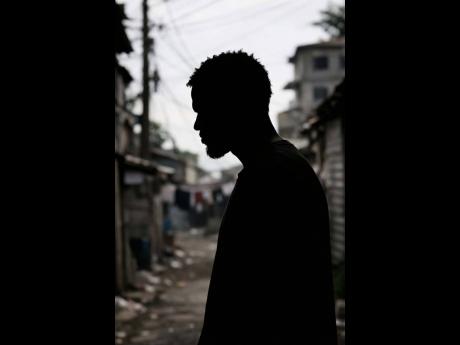
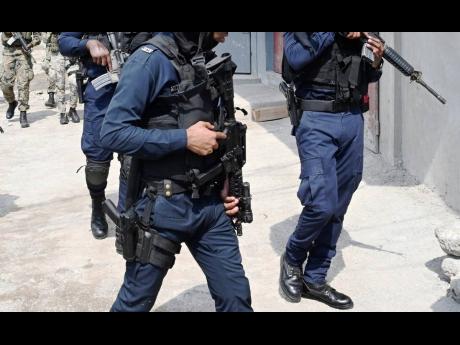
A self-proclaimed don has warned that moves to remove police body cameras during confrontations with gunmen could endanger civilians.
At the centre of the debate is a growing tension between officer safety and public demands for accountability in fatal police operations.
"Dem a talk like seh secrecy and sneaking up pon people is some smart strategy, but a same so criminal move too," the man told THE WEEKEND STAR.
"People not saying police wrong every time," he added. "But people a say 'Show us'. And if you remove the way fi show it, then what left?"
His comments come amid backlash at remarks attributed to National Security Minister Dr Horace Chang, who suggested that police would not wear body cameras in certain high risk confrontations. He argued that operational decisions must prioritise officer safety in dangerous engagements, with some supporters also contending that visible body cameras could expose officers during tactical operations.
But the don said the issue is not just about officer safety, but a pattern the public has grown wary of.
"Every time something happen, the explanation come quick - confrontation, gunman, exchange of fire," he said. "People notice the pattern. So if camera nah go deh deh inna those moments, weh exactly people supposed to rely pon?"
Body cameras have long been promoted as a tool to improve transparency and provide independent accounts of police encounters, especially in disputed fatal shootings. The don argued that removing them at the most critical moment would only deepen suspicion and increase risks for civilians.
"Regular people live inna di same space, so when tactics get more aggressive and less visible, is dem get caught inna di middle. Not everybody out there is a gunman," he said. "All it take is one wrong call. If you can't verify what happen after, then who answer when the wrong person get caught up? The one time yuh woulda really need the proof is when things turn deadly. If that missing, it only raise doubt."
More than 100 persons have been killed in reported confrontations with police since the start of 2026. Meanwhile, latest statistics from the Jamaica Constabulary Force show a notable decline in major crimes compared to last year. As of April 18, murders are down 27.4 per cent from 219 last year to 159, and shootings have fallen by 35.1 per cent, from 231 to 150 over the corresponding period. But the don said those figures do not necessarily signal resolution. He theorised that criminals are simply staying off the radar.
"A nuff man low-key right now," he said. "Is not that things stop, it just quiet. Man a move different, not loud like before." He also suggested that recruitment into criminal networks particularly among young people may be slowing as the risks become more apparent.
"Because dem a watch what a gwaan too. Dem see the outcome clearer now. Before, it look like quick money. Now it look like death." Still, he warned that the current dip in crime may not be permanent.
"If the same issues still deh deh underneath, it can come back just as fast."
He further cautioned that the broader approach to crime-fighting could have unintended consequences if public trust continues to erode.
"When people start feel like the system one-sided, tension build," he said. "And when tension build in a place like Jamaica, it nuh take long fi things get outta control."
"Look pon Haiti. When people lose trust in the system and feel like nobody nah accountable, order break down fast," he added. "It start small, then nobody trust nothing."
The don said the direction of policy must not blur the line between enforcement and unchecked power. He maintained that while reducing crime is a shared goal, the approach must not come at the cost of transparency.
"Everybody want less crime, nobody nah argue dat," he said. "But if the method start look like anything goes, den yuh create a next problem."
While the debate has triggered mixed reactions online, the don insisted that trust must be earned, not demanded.
"You have to show people why dem should have it," he said.
"The badge supposed to make the difference," he added. "If people can't see the difference, then everything start look the same."