Latest News


WEIRD STUFF
April 30, 2026

Microplastics in tea raise health alarm
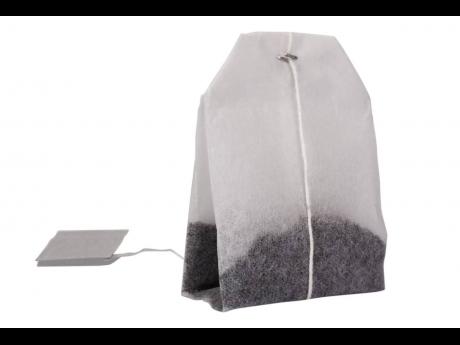
Tea bags could be flooding brews with billions of microscopic plastic particles.
A major review of 19 studies by researchers in Iran and the UK found a single dry tea bag can contain around 1.3 billion plastic particles. When brewed, that figure can soar to as many as 14.7 billion as heat breaks materials down.
Tea bags made from nylon and PET, a common plastic, were among the worst offenders.
Experts say contamination can come from the material itself or from the manufacturing process.
Microplastics have already been found in human blood, lungs and liver, raising concerns about long-term exposure.
Scientists warn the full health impact is still unclear, but lab studies suggest possible links to inflammation, cellular damage and oxidative stress.
A 2024 study by Universitat Autonoma de Barcelona found some tea bags released around 1.2 billion particles per millilitre under test conditions.
Researchers said some particles were small enough to interact with human cells and potentially reach areas where genetic material is stored.
Despite many brands claiming to be "plastic free", an investigation by UK reviewer Which?, found only four out of 28 popular tea brands fully met that standard.
Scientists say microplastics are now widespread and hard to avoid completely.
But they suggest switching to loose leaf tea or verified plastic-free bags could help reduce exposure.
---------------------
Drug mix-up sparks health alert
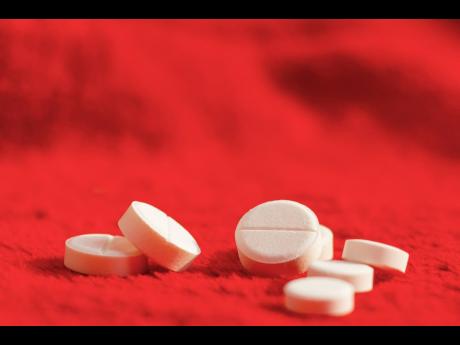
A common antidepressant has been urgently recalled in the UK after a packaging blunder saw the wrong pills placed inside boxes.
Drugmaker Amarox Limited has pulled one batch of its Sertraline 100mg film-coated tablets after a patient discovered their pack contained a different type of antidepressant.
Health watchdog Medicines and Healthcare products Regulatory Agency has told pharmacists to stop supplying the affected batch, numbered V2500425.
The mix-up meant some boxes labelled as Sertraline actually contained one blister strip of Citalopram 40mg film-coated tablets inside the sealed box. Both drugs are selective serotonin reuptake inhibitors, commonly prescribed to treat depression and anxiety by boosting serotonin levels in the brain.
Officials say the error likely happened during packaging, as both medicines are made at the same site. Patients who may have taken the wrong tablets are being urged to seek medical advice immediately. Taking both drugs together, or switching unexpectedly, could trigger side effects including nausea, headaches, sleep issues and anxiety.
Pharmacists have been told to contact anyone who may have received the faulty batch and arrange returns where needed.
Doctors may also need to review treatment plans for affected patients, particularly those who are older, younger, or have underlying health conditions.
-----------------------
Snoring could signal deadly condition
Snoring could signal a serious and potentially deadly condition.
Doctors say three key warning signs could mean something dangerous is going on.
Heavy snoring combined with gasping for air, choking sounds, or pauses in breathing during the night could point to obstructive sleep apnoea, a condition linked to heart disease, stroke and even dementia.
Dr Ryan Chin Taw Cheong, a consultant at University College London National Health Service Hospitals, said: "In the past, we would look at sleep deprivation as a badge of honour.
"But the culture has shifted to prioritise sleep as a foundation of health.
"Snoring used to be dismissed but there is now more awareness that troublesome snoring can be a sign of serious or deadly conditions.
"Good sleep is the foundation of all health."
The condition occurs when the throat narrows or closes during sleep, briefly stopping breathing and triggering loud snoring.
Daytime symptoms can include exhaustion, brain fog, mood swings and difficulty concentrating. Some research suggests sufferers are up to 10 times more likely to be involved in car accidents.
Experts say the condition is often undiagnosed, with more than 2.5 million Brits thought to be living with it unknowingly.
Treatments range from lifestyle changes like weight loss to medical devices such as CPAP machines, which keep airways open during sleep.