Latest News


Almost all-white jury shown rap lyrics in prosecution of Black man on death row
April 24, 2026
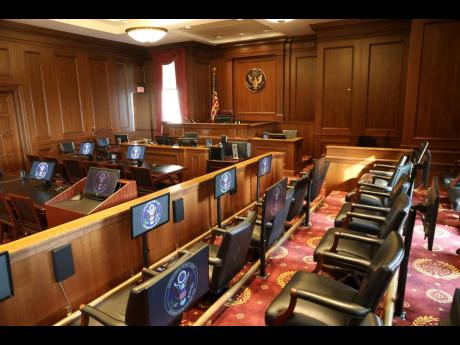
In one of the most high profile and controversial cases, James Broadnax, a Black man on Texas' death row, had rap lyrics he wrote as a teenager used by prosecutors during his capital murder trial, a move his legal team says unfairly shaped how jurors saw him.
The verses, written in a notebook that also contained personal notes and job leads, were presented to the jury as alleged references to gang activity and shootings in the case against him.
Prosecutors argued the lyrics were relevant to establishing motive and intent in the killings of two men outside a suburban Dallas music studio in 2008.
But Broadnax's attorneys say the decision to introduce the material heavily influenced the almost all white jury, reinforcing racial stereotypes and turning artistic expression into what they describe as "pseudo confessions."
They argue that instead of being viewed as creative writing, the lyrics were treated as autobiographical evidence of guilt, contributing to a death sentence they are now challenging.
Legal scholars and advocates have since pointed to the case as an example of a wider pattern in US courts, where rap lyrics are increasingly being used in criminal trials, particularly in gang related prosecutions.
Critics say the practice risks unfairly targeting young Black men and blurring the line between art and criminal evidence, especially when jurors interpret rap differently from other forms of music or writing.
The case has renewed calls for clearer rules on how artistic expression should be treated in court, with some experts warning that without stricter safeguards, creative work could continue to be used to shape perceptions of guilt.